
Solar-Panels-solar panels efficiency

Illuminating the Solar Frontier: A Comprehensive Guide to N-Type and P-Type Solar Panels
Introduction:
In the ever-evolving landscape of solar energy, the quest for the ideal solar panel involves considering an array of factors, from power output efficiency to aesthetic appeal. Yet, one crucial aspect often overlooked is the classification of solar panels into N-type and P-type. In this exploration, we embark on a journey to unravel the intricacies of solar panels, shedding light on the key differentiators that can significantly influence their performance and longevity.
Unveiling the Structure: Deciphering the Anatomy of Solar Cells
In this section, we’ll take a deep dive into the intricate world of solar cells, examining how their materials and structures vary depending on the manufacturing technology employed. From traditional aluminum back surface field (LBSF) cells to cutting-edge technologies like Interdigitated Back Contact (IBC) and Passivated Emitter in Rear Contact (PERC), we explore the diverse array of solar cell architectures.
The Inner Workings: Harnessing the Power of Photovoltaics
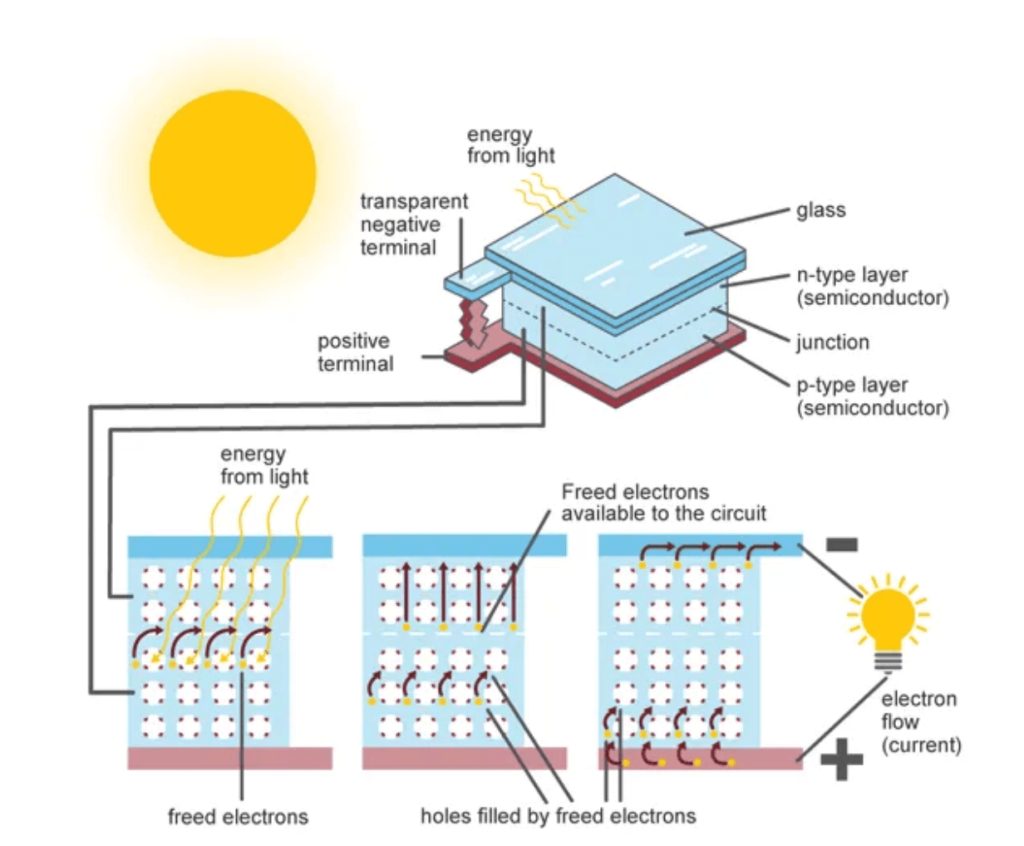
Understanding how solar cells generate power is fundamental to making informed decisions. We’ll unravel the mysteries of the photovoltaic effect, where photons interact with the cell, exciting electrons and initiating a chain reaction that results in the generation of electric current to power connected loads.
N-Type vs. P-Type Solar Panels: Decoding the DNA of Solar Technology
In this segment, we delve into the heart of the matter, ç. The spotlight is on the critical role played by doping in determining whether a panel falls into the N-type or P-type category. Phosphorus and boron emerge as key players in the complex dance of electron configurations.
Historical Perspective: P-Type Solar Panels in the Cosmos
Tracing back to the roots of solar technology, we uncover why P-type solar panels gained prominence in space applications. The historical necessity for a power source resilient to radiation and degradation, exemplified by Vanguard One, the first satellite featuring solar panels, provides valuable insights into the dominance of P-type panels in the early days of space exploration.
Advantages and Rising Popularity of N-Type Solar Panels: The Ascension of Innovation
This section explores the myriad advantages associated with N-type solar panels. From immunity to the Boron Oxygen Defect to a higher conversion efficiency over the lifespan, we dissect why manufacturers and consumers are increasingly drawn to the superior capabilities of N-type panels, despite the higher manufacturing costs.

Looking to the Future: N-Type Solar Panels on the Rise:
As we peer into the future, we witness the continued ascent of N-type solar panels. Breaking efficiency records three times in less than a year, these panels are poised to dominate the market. Projections indicate a seismic shift, with N-type panels potentially claiming over 70% of the market share by 2032, leaving P-type modules with a diminished presence.
Conclusion: Charting the Course in the Solar Odyssey
As solar technology advances, the choice between N-type and P-type solar panels becomes increasingly pivotal. This comprehensive guide serves as a compass, navigating the solar odyssey and empowering decision-makers to align with both current needs and future trends in the dynamic realm of renewable energy.
Summary
N-type and P-type solar panels are two common types of solar cell technologies. N-type panels are known for their higher efficiency and performance, making them a compelling choice for achieving enhanced PV efficiency. They are doped with phosphorus, which gives them a negative charge. On the other hand, P-type panels are doped with boron, giving them a positive charge. While P-type panels are more commonly sold and have lower manufacturing costs, N-type panels have the potential for higher efficiency, with some reaching an efficiency of 25.7% compared to 23.6% for P-type panels. The choice between the two types depends on factors such as budget, energy needs, available installation space, and the specific requirements of the solar energy system[1][2][3][4][5].
Citations:
[1] https://chintglobal.com/blog/n-type-vs-p-type-solar-panels/
[2] https://solarmagazine.com/solar-panels/n-type-vs-p-type-solar-panels/
[3] https://www.linkedin.com/pulse/n-type-vs-p-type-solar-panels-comparative-analysis-enhanced
[4] https://www.eco-greenenergy.com/n-type-or-p-type-cells-what-technology-to-choose/
[5] https://www.solarpowerworldonline.com/2018/07/the-difference-between-n-type-and-p-type-solar-cells/
Thank you for embarking on this illuminating exploration of solar panel technologies. Your engagement is invaluable – like, comment, and Solarwind Technology to get the latest Panels and insights into the ever-evolving world of solar innovation.