EV Charging 101:
A Comprehensive Guide for Australians
Understanding Electric Vehicle Chargers
If you’re considering an EV, waiting on a delivery, or already driving an electric vehicle, understanding how they charge is an essential part of ownership. This guide explains everything you need to know about charging your electric car.
Power vs Energy: kW and kWh in EV Charging
In this guide, we’ll discuss power (kW) and energy (kWh). It’s crucial to understand the difference! People often mix these up – even electricians who should know better. In the context of electric vehicle charging, power (kW) refers to the charging speed of your EV battery. Home charging works at speeds from 1 kW up to 22 kW. Energy (kWh), on the other hand, refers to the storage capacity of your car’s battery. An electric car will travel about 6 km for every kWh of charge.
The Cost of Charging an EV at Home
The typical petrol car gets 10km of range from 1 litre of fuel. The typical electric vehicle gets about 6km of range from 1 kWh of electricity. For a petrol car, you’d need 10 litres of fuel to drive 100 km. At a very conservative cost of $200 per litre of fuel, it costs $28 to drive 100 km. In an EV, you’ll need about 16 kWh of electricity to drive 100 km. If your electricity retailer charges 21c per kWh, the cost is $3.36. So to drive 100km, it’ll cost you $14 in petrol or $3.36 in grid electricity.
Charging with Solar Power
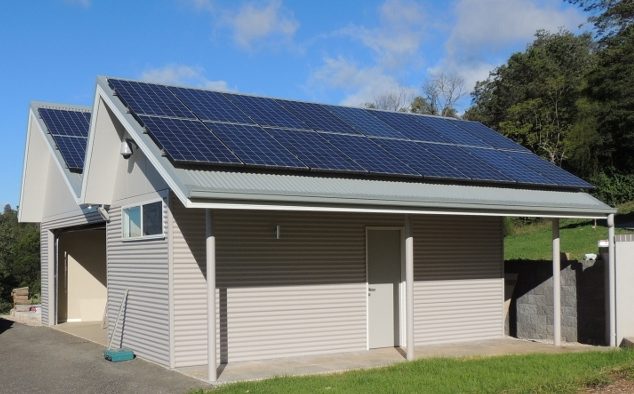
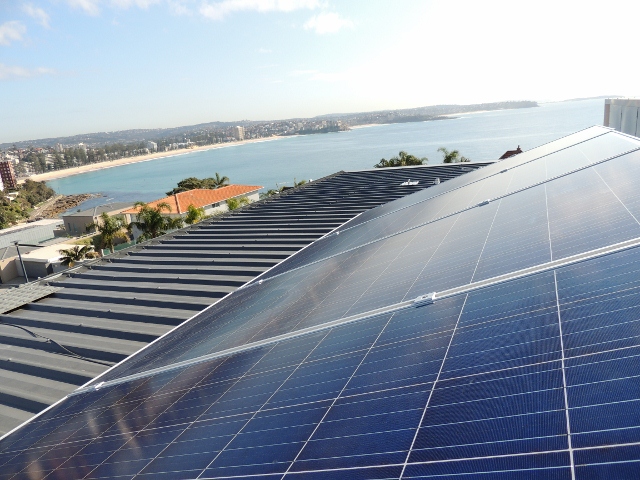
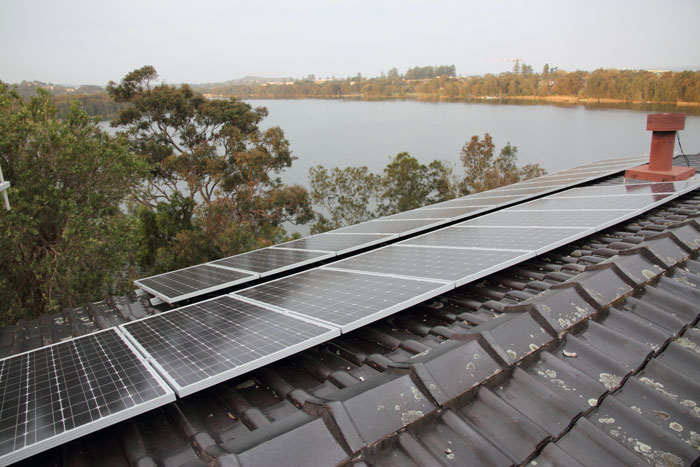
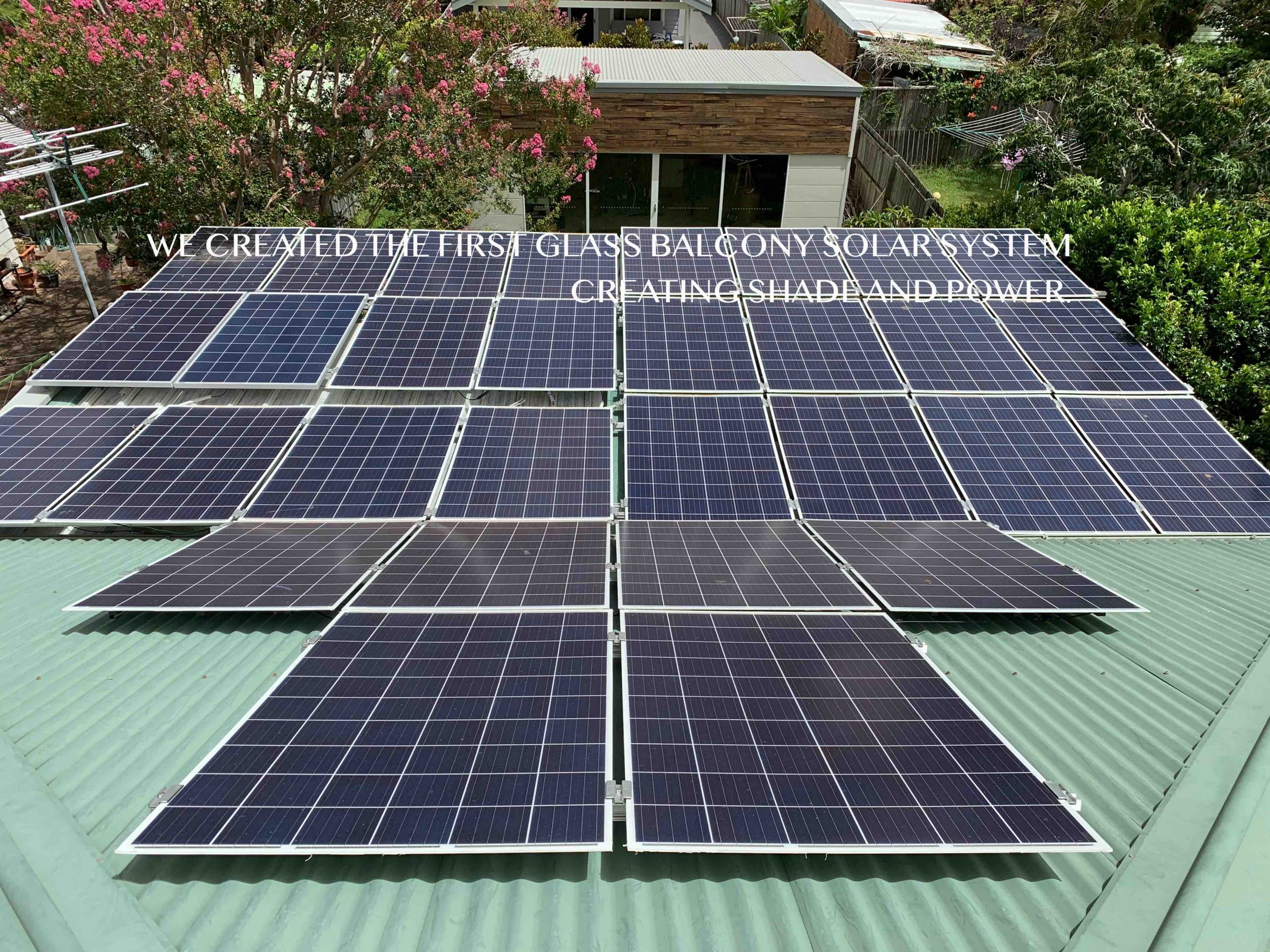
Electric vehicles become even cheaper to drive if you factor in charging from solar panels. If you have a 21c electricity tariff and an 8c solar feed-in tariff, the net cost of charging a car with solar power is 8c. This is 13c per kilowatt-hour cheaper than charging an EV with grid electricity. So, to charge your car with 100 km of range from solar panels, it’ll cost 16 x $0.08 = $1.28.
Charging with a Time-of-Use Tariff
Time-of-use tariffs charge you different rates for electricity depending on the time of day you draw from the grid. If you set your EV charger to only operate from 10 am-4 pm on a ToU plan from Aurora, it will cost you 16 x $0.15 = $2.40 for 100 kilometres worth of range. The future of electricity plans in Australia is time-of-use tariffs with the cheapest electricity during the day (lots of solar energy) and overnight (usually plenty of wind, little demand). In South Australia, there are time-of-use tariffs offering a ‘solar sponge’ period where you’re charged a measly 7.5c per kWh during the middle of the day.
Products.
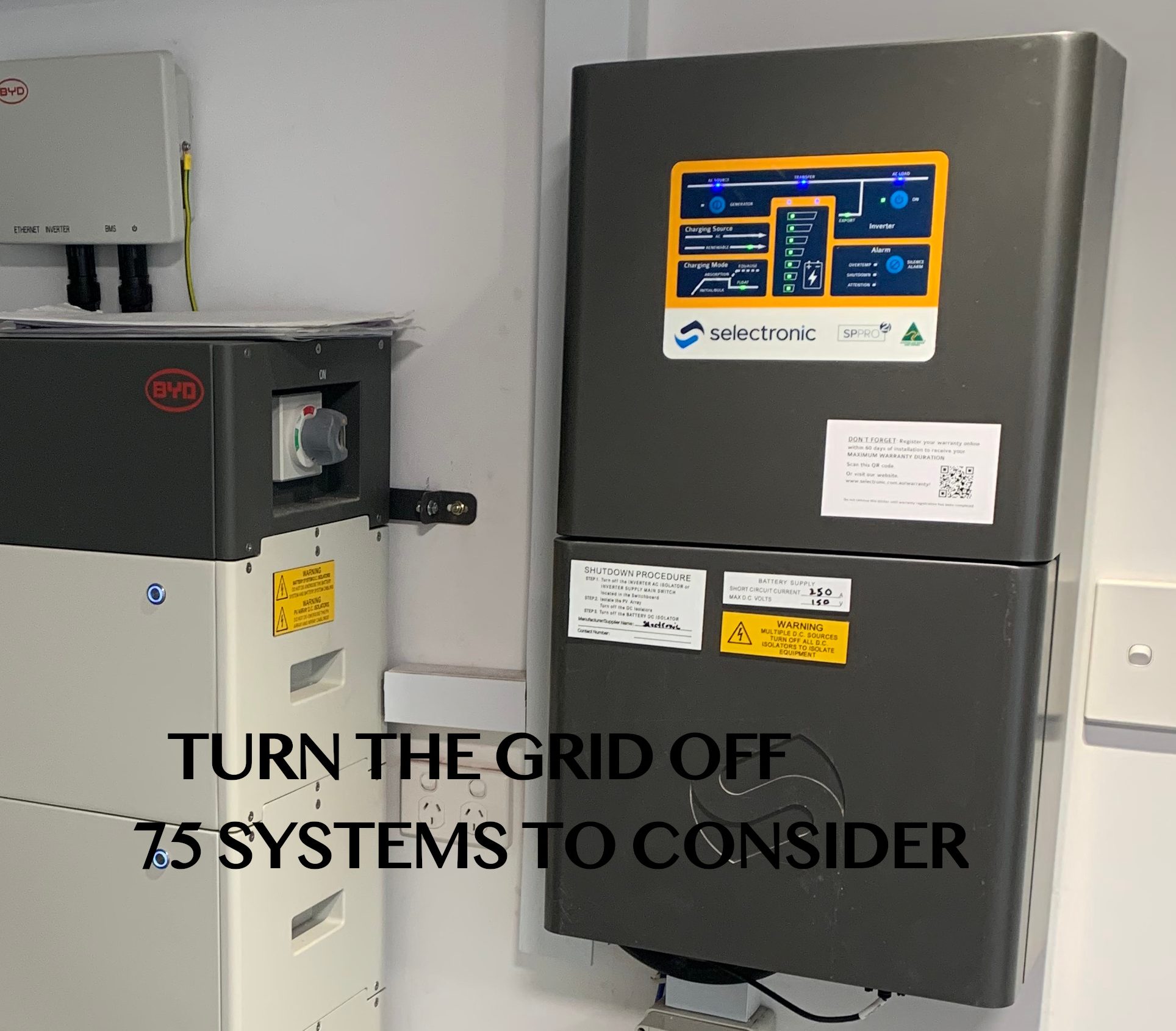
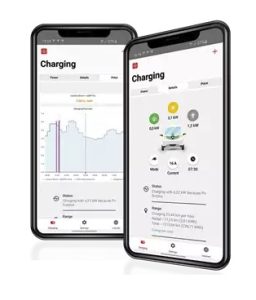
A number of the high-end inverter companies are now supplying electricity chargers SMA, Fronius … Your advantage is that it is integrated into your home management system and you can see your pricing cost time of use. In real time on a graph and make informed decisions are much you’re draining the battery how much using off the solar etc
Conclusion
Some retailers also offer special EV tariffs, where you either pay a low per-kWh rate to charge your EV at certain times or pay a flat daily fee for unlimited charging. The bottom line is that electricity plans designed for EV charging can significantly reduce the cost of driving. Whether you’re charging with solar power or using a time-of-use tariff, owning an EV in Australia can be both cost-effective and environmentally friendly.