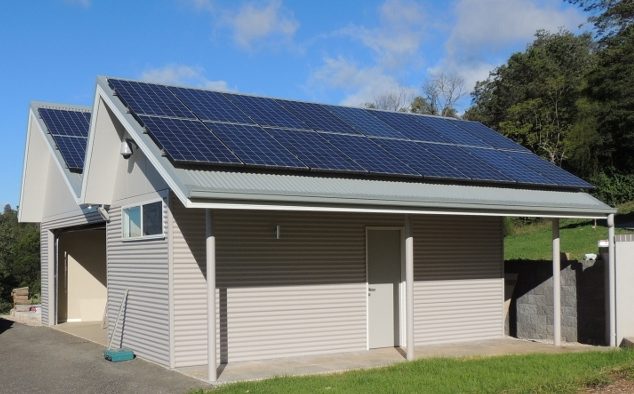
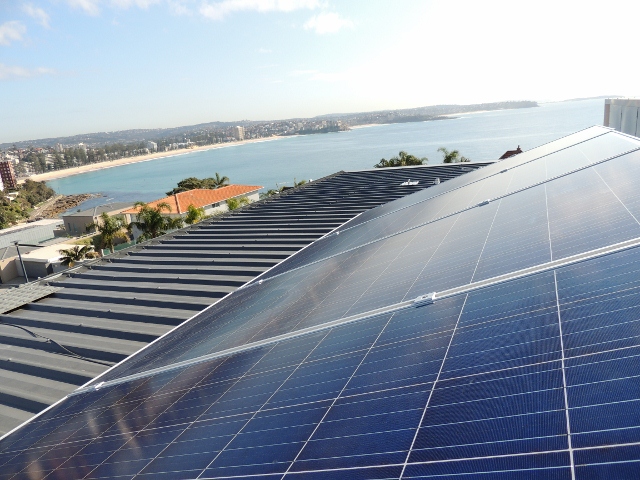
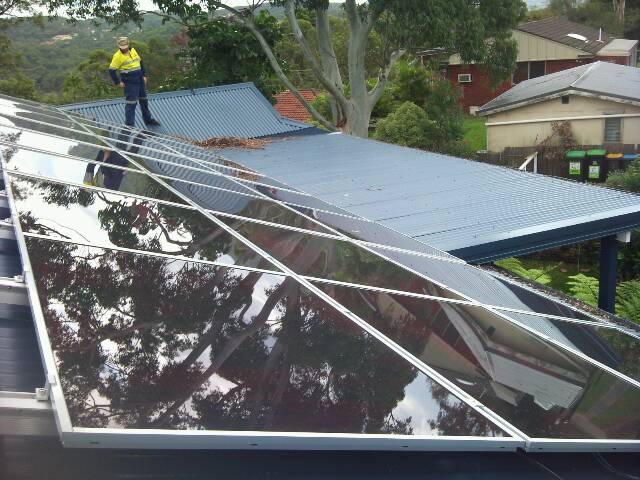
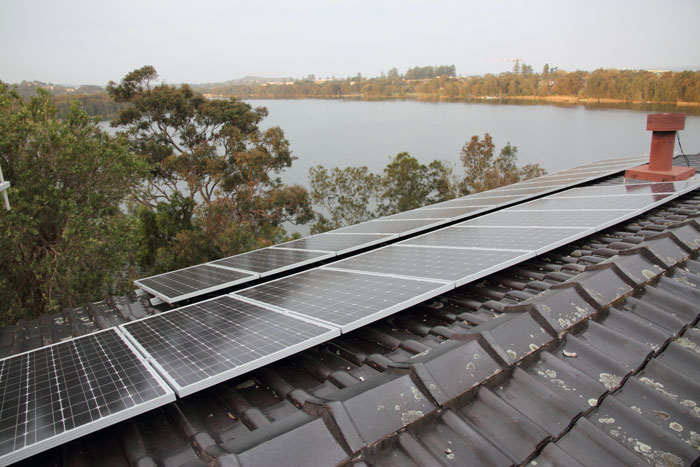
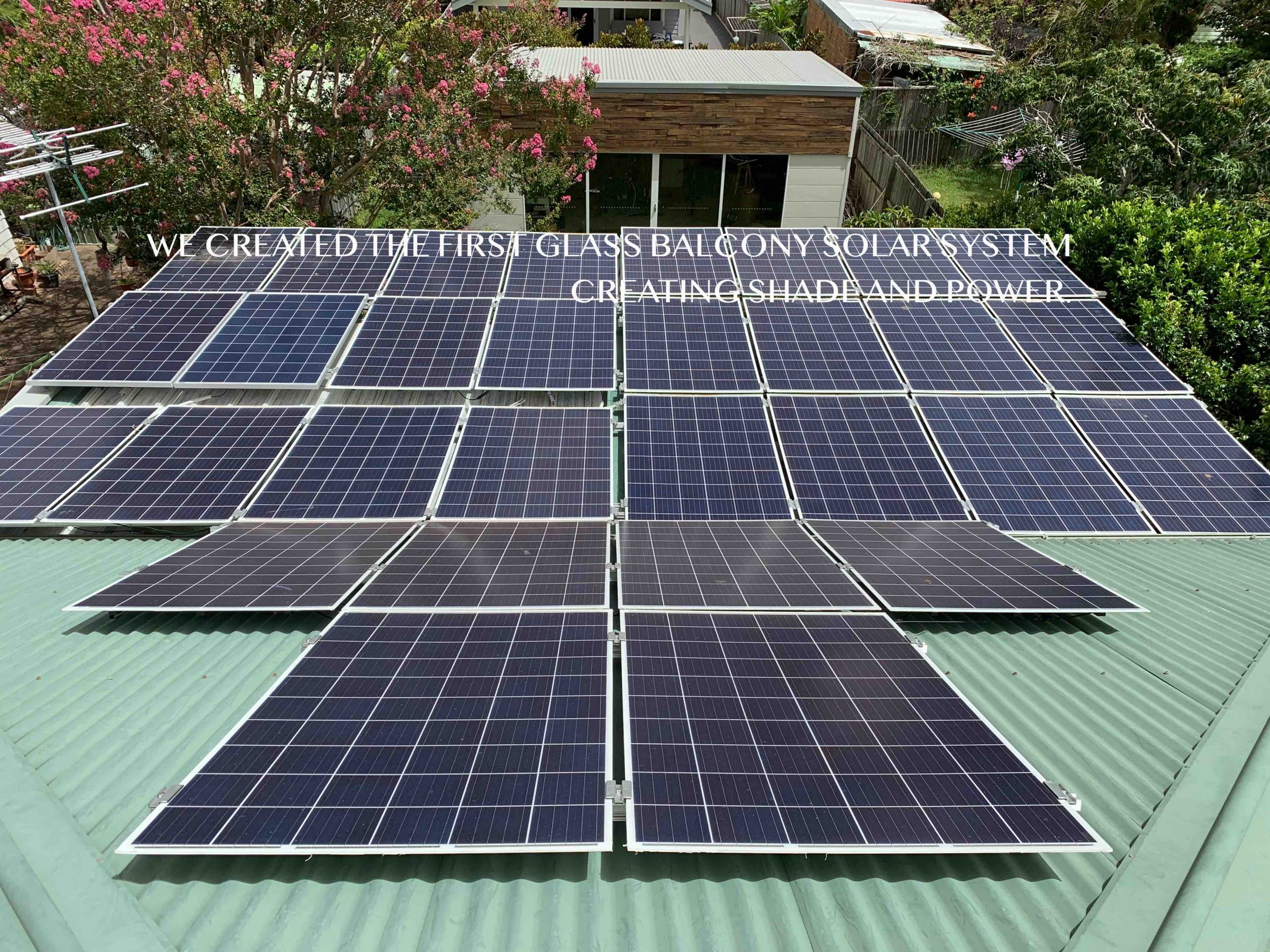
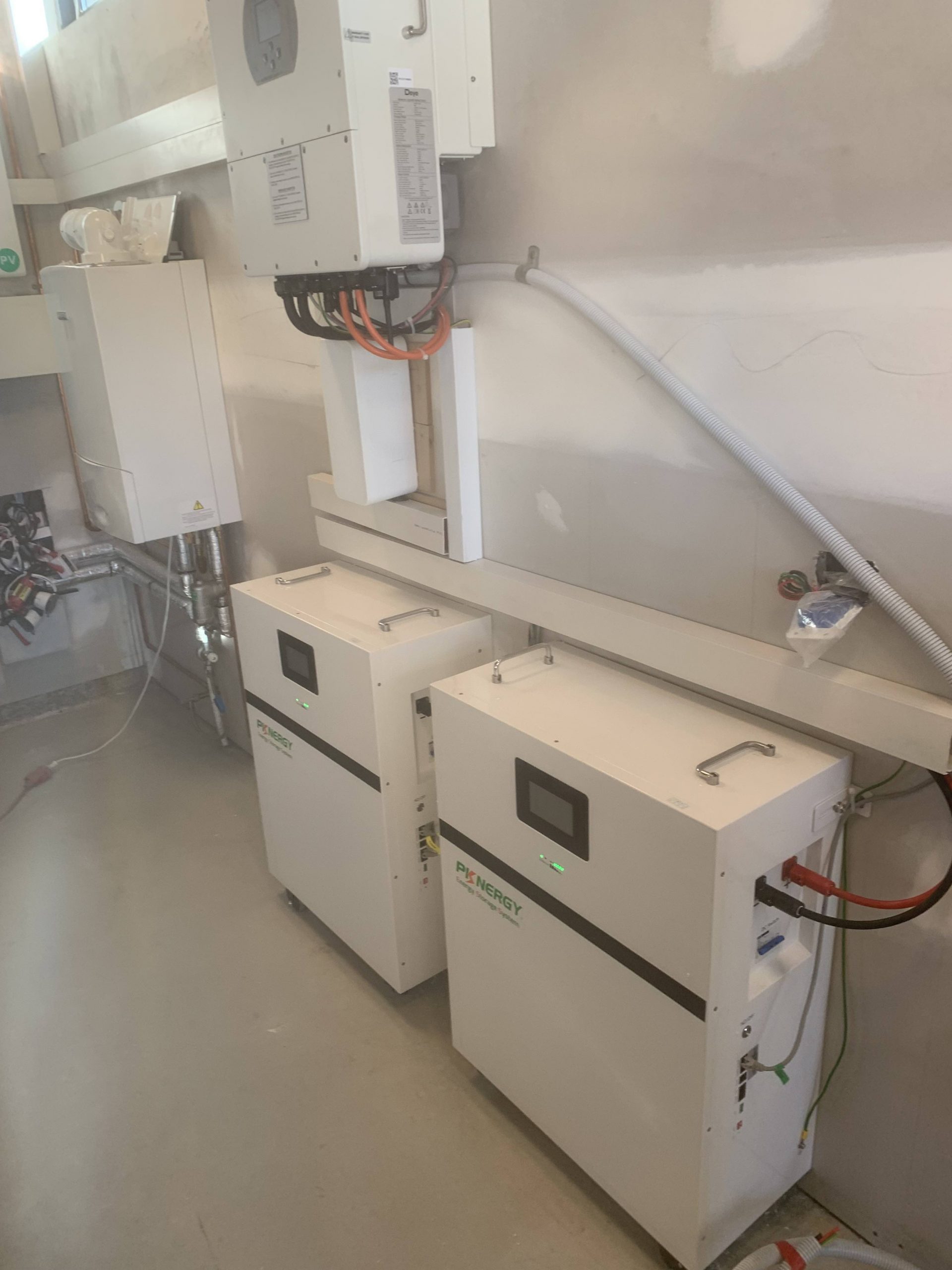
Today, many companies are grappling with rising electricity expenses. The cost of electricity remains unpredictable, and the energy network’s demand is rapidly escalating due to the electrification of transport and heating. Commercial solar power and battery storage can offer an efficient and sufficient power supply to alleviate the burden of demand charges on your energy bills.
Considering a transition to solar energy for your enterprise? You’ve landed in the right spot! Sunterra Solar excels when it comes to solar installations. As one of Australia’s leading solar energy firms, Solarwind Solar is a brand you can trust. We have a strong presence across NSW mostly Sydney. We offer solar power installation services for businesses of all sizes. Our commercial installations not only reduce your operational expenses but also enhance your property’s value.
You are paying for electricity anyway… you just leased it off your retailer. With prices going up 28% last year alone. It is a no brainer to run the working day from your own power source which will break even within 2 to 4 years, depending on the installation and weather. What are you waiting for we can install for free and save you money straight away with fixed cost green energy supply or Finance it as a lease ….give use a ring and look at the numbers.
Commercial Solar Installation:
A Comprehensive Guide
Introduction
Investing in a commercial solar power system is a strategic move for businesses aiming to reduce energy costs, minimize environmental impact, and achieve energy independence. In this guide, we’ll delve into the various stages of commercial solar installation, addressing key considerations and optimization techniques.
1. Understanding Commercial Solar Systems
Before diving into the installation process, let’s grasp the basics:
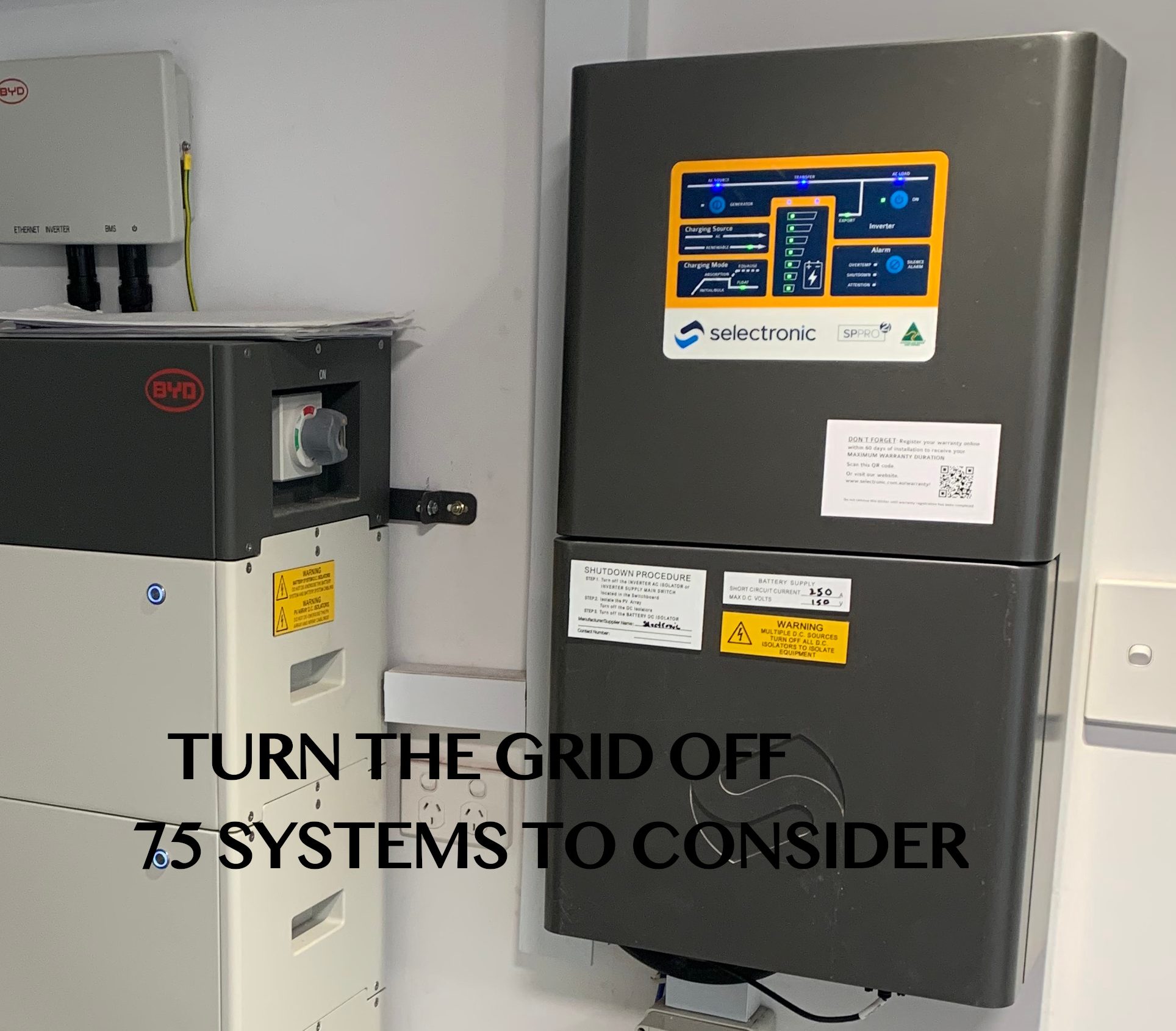
- Components: Commercial solar systems consist of solar panels, inverters, mounting equipment, and monitoring systems.
- Advantages: Reduced energy costs, decreased greenhouse gas emissions, and increased energy independence.
2. The Three Size Breaks for Commercial-Sized Systems
Commercial solar systems come in distinct sizes:
Less than 30 kW (Up to about 100 panels):
- These systems use the same hardware and grid connection rules as residential systems.
- Installers familiar with residential-sized installations can handle business-sized installs up to this level.
- A 30 kW system generates approximately 120 kWh of electricity per day, saving around $2000 per month if fully self-consumed.
30 kW to 100 kW:
- These mid-sized systems require specialized knowledge due to increased complexity.
- Grid connection considerations become crucial.
- Savings continue to grow as self-consumption increases.
Over 100 kW (Large-Scale Systems):
- Large-scale commercial solar installations involve intricate planning and coordination.
- Grid connection, network approval, and compliance play significant roles.
- Financial benefits are substantial, especially for energy-intensive businesses.
3. The Installation Phases
Let’s break down the installation process:
Due Diligence:
- Plan ahead to ensure a smooth construction process.
- Consider grid connection, site assessment, and system design.
Engineering and Design:
- Formalize conceptual ideas into detailed plans.
- Address structural requirements, panel placement, and electrical design.
Construction and Commissioning:
- Execute the installation based on approved designs.
- Commission the solar panel system for optimal performance.
Operation and Maintenance (O&M):
- Regular monitoring ensures system efficiency.
- Address any issues promptly to maximize energy production.
4. Inverters in Commercial-Sized Systems
- Inverters convert direct current (DC) generated by solar panels into alternating current (AC) for use.
- String inverters, central inverters, and microinverters are common choices.
- Selecting the right inverter impacts overall system performance.
5. Financing Your Commercial Solar System
- Explore financing options:
- Cash Purchase: Direct investment with long-term returns.
- Leasing: Leverage solar without upfront costs.
- Power Purchase Agreements (PPAs): Buy solar energy at a predetermined rate.
- Green Loans: Tailored financing for eco-friendly projects
6. Batteries: Are They Worth It?
- Battery storage enhances energy self-sufficiency.
- Evaluate costs, payback periods, and backup power needs.
- Consider future scalability and technological advancements.
7. Legal Considerations and Contracts
- Understand Australian Consumer Law implications.
- Ensure transparent contracts with reputable installers.
- Address warranties, maintenance, and system performance guarantees.
Conclusion
Investing in commercial solar is a strategic decision that pays dividends over time. By understanding the installation process, optimizing system components, and choosing the right financing model, businesses can harness the power of the sun while contributing to a sustainable future.
For any further queries, feel free to reach out directly:
- Email: [email protected]
- Tel: 0410312766
- Northern beaches Sydnet NSW 🌞🌿